How Video Helps People Find Your Business in AI Search
When people talk about getting found on Google, they usually mean words on a website. That’s still important. But the way people search has changed, and video now plays a much bigger part in who gets found than most small businesses realise.
Search has changed
More and more people ask an AI tool, or read Google’s AI answer at the top of the page, before they click on anything. And they ask much more specific questions than they used to. Not “kitchen fitter Bexhill”, but “who could fit a kitchen island in a narrow Victorian terrace?”
Google has said its AI answers are designed to pull in the best of the web, and it names videos alongside blogs and forums. In a recent Think with Google article, its example of the kind of content that wins is a video, not a page of keywords: a running shop explaining exactly why one customer’s shoes gave way.
In other words: specific, real expertise, shown by someone who knows what they’re talking about. That’s exactly what a good business video is.
Most businesses still aren’t doing it
Google’s own report on marketing in 2027 lists YouTube as still underused by most brands. If big brands aren’t making the most of it, most small businesses in Sussex certainly aren’t. That’s an opening.
What kind of video helps
Not a glossy advert. The videos that help people find you are the ones that answer questions only you can answer:
- Answers to the questions customers ask you every week. One question, one short video, answered the way you would on the phone.
- Real jobs. What the customer needed, what you did, how it turned out.
- Your customers talking about you. Client testimonials say more about you than anything you can say yourself.
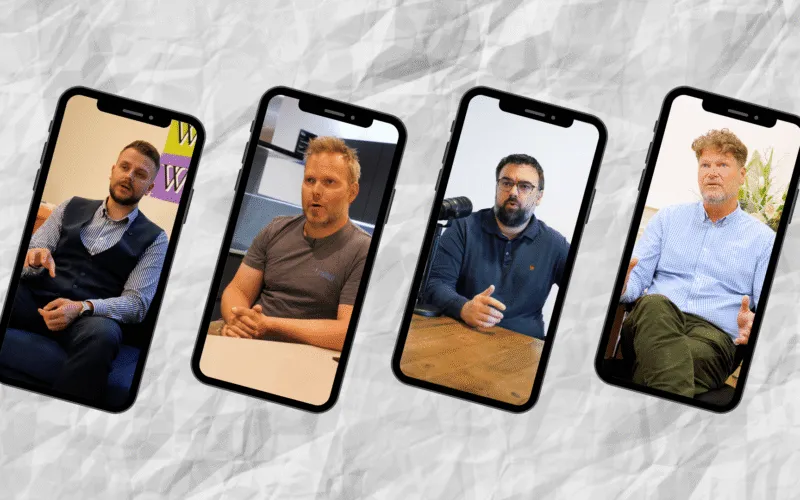
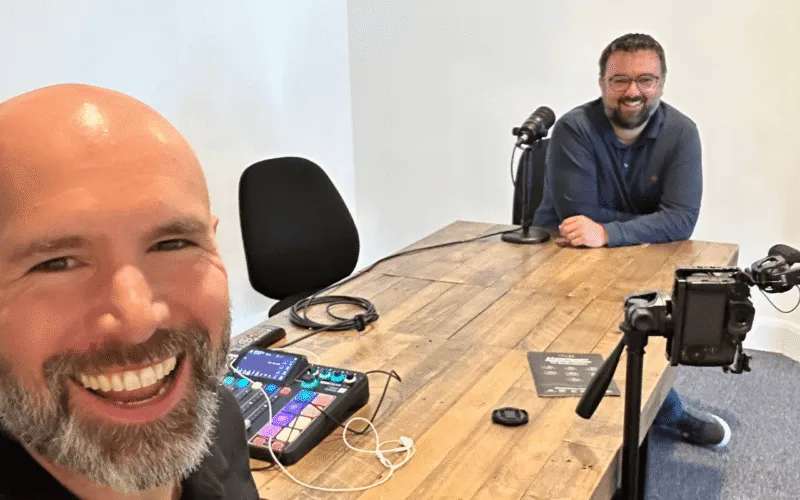
- You, explaining what you know. A relaxed conversation can become a whole batch of short clips. That’s what our Business Interview Series does: one 60-minute interview, 12 edited, captioned short videos.
How to make your videos findable
Search engines and AI tools can’t watch your video the way a person does. They rely on the words around it. So:
- Put it on YouTube with a plain title that says what it is, who it’s for and where you are. “Do I need planning permission for a garden room in Bexhill?” beats “Garden rooms explained!”
- Write a proper description, and add captions. Captions help people watching with the sound off, and they give search tools the full text of what you said.
- Put it on your website, on the page it belongs to, with a short written summary underneath.
- Add it to your Google Business Profile too.
Your website is where it all comes together
Video works best when it sits on a website that’s fast, clear and easy for both people and AI tools to read. Google calls your own site the place where you have the most control, and says it needs to be fast and easy to use.
If yours isn’t there yet, our sister company MJS Websites builds websites for small businesses in Hastings and Bexhill, from £495. They’ve also written a plain-English guide to making your website ready for AI search.
Not sure where to start?
Pick the one question customers ask you most, and answer it on camera. That’s your first video.
If you’d rather someone else did the filming, editing and captions, that’s what we do, in our Bexhill studio or at your premises. See how we can help, or get in touch.
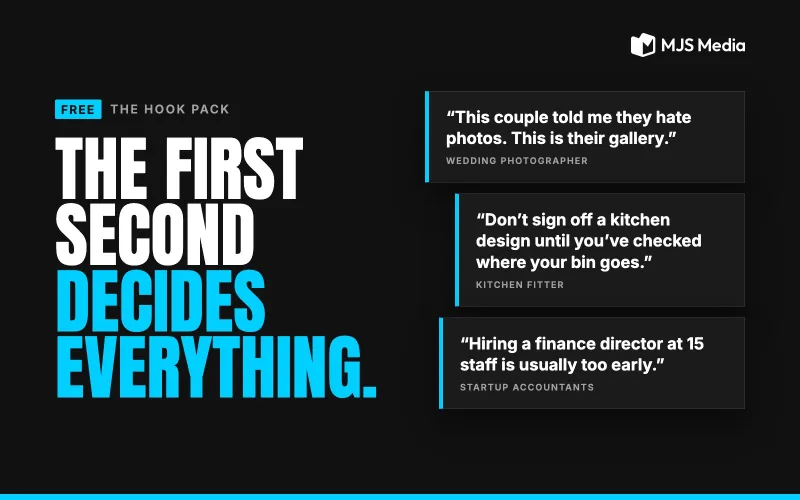
Free The Hook Pack
Not sure what to post next?
Answer 8 quick questions and get 15 video hooks your customers will actually stop for, each with what to say next.
Get my free hooks